
MPSC Group Chief Officer (Municipal Corporation)
The Maharashtra Public Service Commission (MPSC) conducts recruitment for the position of Group Chief Officer in Municipal Corporations. This role is a key administrative position responsible for overseeing the functioning of municipal corporations and ensuring efficient urban governance. Below is a concise guide to the MPSC Group Chief Officer exam, including eligibility, exam pattern, and responsibilities.
Role and Responsibilities of a Chief Officer
The Chief Officer is the administrative head of a Municipal Corporation and plays a crucial role in urban development. Key responsibilities include:
Urban Planning and Development: Implementing policies and programs for urban infrastructure, sanitation, and public welfare.
Financial Management: Managing municipal funds, budgets, and expenditures.
Coordination: Working with elected representatives, government departments, and stakeholders.
Public Service Delivery: Ensuring efficient delivery of civic services like water supply, waste management, and road maintenance.
Compliance: Ensuring adherence to laws and regulations related to urban governance.
Eligibility Criteria for a Chief Officer
1. Nationality
Indian citizen.
2. Age Limit
Minimum: 19 years
Maximum: 38 years (age relaxation for reserved categories as per government norms).
3. Educational Qualification
A bachelor’s degree from a recognized university.
Proficiency in Marathi language.
Chief Officer Exam Pattern
The MPSC Group Chief Officer exam consists of three stages:
1. Preliminary Examination (Objective Type)
Paper I: General Studies (100 marks)
Paper II: Aptitude Test (100 marks)
Duration: 2 hours each.
Negative marking: 0.25 marks deducted for each wrong answer.
2. Main Examination (Descriptive Type)
Paper I: Marathi and English Language (100 marks)
Paper II: General Studies (200 marks)
Paper III: Optional Subject (200 marks)
Duration: 3 hours each.
3. Interview/Personality Test
Candidates who qualify the Main Exam are called for an interview (100 marks).
Syllabus for Chief Officer
Preliminary Exam
General Studies:
Indian Polity, History, Geography, Economy, and Current Affairs.
Aptitude Test:
Logical Reasoning, Quantitative Aptitude, and Data Interpretation.
Main Exam
Marathi and English Language:
Essay Writing, Comprehension, and Grammar.
General Studies:
Detailed topics from the Preliminary syllabus.
Optional Subject:
Candidates can choose one subject from a list provided by MPSC (e.g., Public Administration, Sociology, etc.).
Preparation Tips for Chief Officer (Municipal Corporation)
Understand the Syllabus: Thoroughly go through the syllabus and exam pattern to plan your preparation.
Create a Study Plan: Allocate time for each subject and stick to a consistent study schedule.
Focus on Current Affairs: Stay updated with national and state-level current affairs.
Practice Previous Year Papers: Solve past question papers to understand the exam pattern and improve time management.
Join Coaching Classes: Enroll in a reputable coaching institute for guidance and mentorship.
Revise Regularly: Regular revision is key to retaining information.
Career Growth
Promotions to higher administrative roles like Deputy Municipal Commissioner or Municipal Commissioner.
Opportunities to work in state and central government departments.
Salary and Benefits
Pay Scale: Rs. 56,100 – Rs. 1,77,500 (as per 7th Pay Commission).
Allowances: DA, HRA, TA, and other benefits
How We Can Help You
At IIKD, we aim to help students reach their full potential and grow into well-rounded professionals and conscientious members of society. If you are preparing for competitive exams like the LIC ASSISTANT , we offer comprehensive training to ensure success in this prestigious recruitment process.
Our preparation modules cover all aspects of the selection process, from written exams to interviews, ensuring candidates are well-equipped to excel. Whether you’re preparing for technical or general duty roles, we provide focused coaching to strengthen your knowledge. Along with SBI PO Exam, SBI Clerk Exam, IBPS PO Exam, and IBPS Clerk Exam, we offer tailored sessions that give you a competitive edge in the recruitment process for the LIC ASSISTANT
IIKD also offers training for SBI Specialist Officer, SBI SO Recruitment, and SBI Clerk Apply Online, ensuring that candidates aspiring for various positions in banking and government sectors are equally well-prepared. We also provide mock tests like IBPS Clerk Mock Tests, RRB PO Mock Tests, RRB Clerk Mock Tests, and IBPS RRB Clerk Mock Tests to strengthen your exam-taking strategy.
In addition to SSC CHSL 2023 preparation with SSC CHSL Previous Year Papers, we provide the right guidance for exams such as SSC CGL Mock Tests and SSC CGL Previous Year Question Papers to ensure you’re well-prepared. For those applying to railway exams, our resources for RRB NTPC Apply and updates on the Exam Date of RRB NTPC will keep you informed and prepared.
At IIKD, we focus on hands-on training and “learning by doing,” offering practical field modules alongside classroom sessions to ensure that students apply their knowledge in real-world situations. With industry expert seminars and personalized mentoring, students receive a holistic education to help them succeed in both exams and careers.
Whether you’re aiming for a role as an Apprentice in SBI, preparing for the SBI Apprentice 2022 program, or focusing on your future in the LIC ASSISTANT offers the support and resources to help you achieve your goals.
With our cutting-edge research and development, we guarantee a global edge for your career. If you’re ready to take on the challenges of LIC ASSISTANT , SBI SO Recruitment, or IBPS PO Exam, IIKD is here to guide you every step of the way.
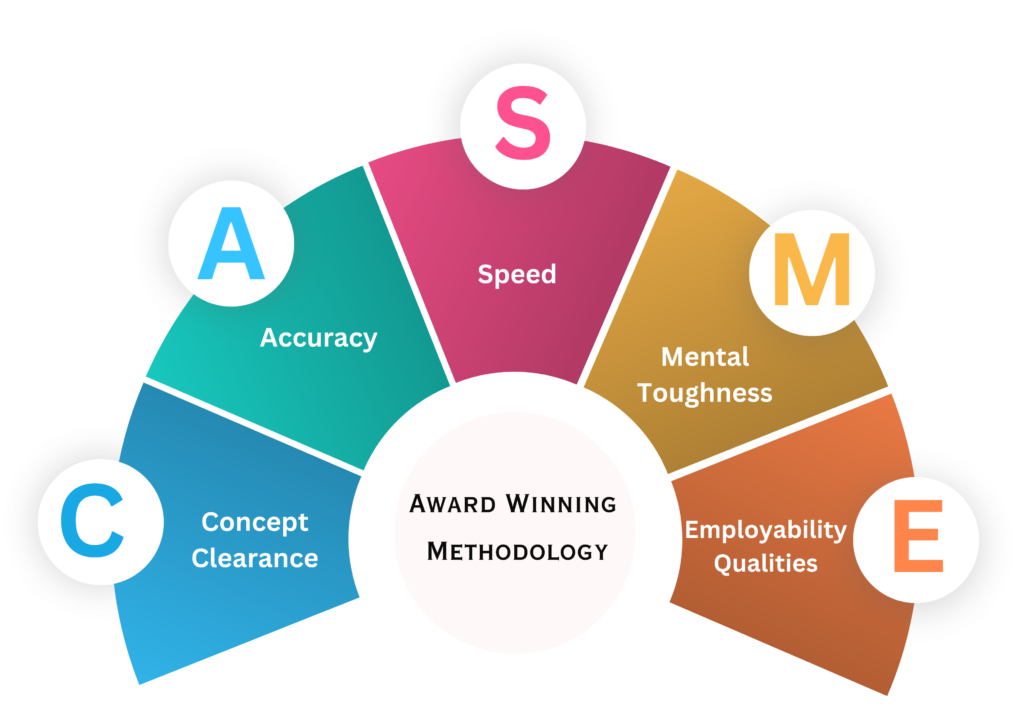
The CASME training methodology is tailored to help candidates prepare for competitive exams like the SBI Clerk and similar tests such as the IBPS PO and RBI Grade B. Our program focuses on making difficult subjects easier to understand, ensuring that participants can grasp key concepts effectively. We enhance speed and accuracy through regular practice and mock tests, while also building the confidence needed to handle exam pressure. Additionally, we provide detailed study materials and personalized feedback, helping each candidate reach their full potential and achieve their career goals in the banking sector.
Frequently Asked Questions
A Chief Officer in a Municipal Corporation (e.g., for larger cities like Mumbai, Pune, Nagpur) is a senior Group-A officer who heads the administrative wing under the Municipal Commissioner. The role involves executive governance, urban service delivery, financial management, and implementation of civic projects in alignment with the Corporation’s policies.
Municipal Corporation: Larger cities, more complex administration, higher budget, and the Chief Officer is typically a senior IAS/state civil service officer or a highly experienced municipal professional.
Municipal Council (Nagar Parishad): Smaller towns, with the Chief Officer often recruited via state PSC exams (like MPSC).
Education: Bachelor’s degree (often in Engineering, Public Administration, or Law); a Master’s degree is preferred.
Experience: Significant experience (often 15–20 years) in municipal administration, urban governance, or public administration.
Appointment: Usually via deputation of IAS/state civil service officers or direct recruitment through UPSC/state PSCs for select posts.
Age: Varies, but typically 35–50 years for direct recruitment.
For direct recruitment (if advertised):
Written Exam (descriptive – urban governance, laws, financial administration).
Interview by a high-level committee (often including the Municipal Commissioner and state government representatives).
Background verification and approval by the state government.
Pay Scale: Level 13–14 of 7th CPC (approx. ₹1,23,100 – ₹2,15,900) plus allowances.
Gross Salary: ₹1,50,000 – ₹2,00,000+ per month.
Career Path: Chief Officer → Additional Municipal Commissioner → Municipal Commissioner → Higher roles in state urban development departments.