
UPSC Indian Telecommunication Service (ITS)
| Aspect | Details |
|---|---|
| Conducting Body | Union Public Service Commission (UPSC) |
| Exam Name | Engineering Services Examination (ESE) – ITS Cadre |
| Service Category | Group ‘A’ Gazetted Officer |
| Parent Organization | Department of Telecommunications (DoT), Ministry of Communications |
| Primary Role | Telecom infrastructure, policy implementation, R&D |
UPSC Indian Telecommunication Service (ITS) - Selection Process
| Stage | Type | Papers | Marks | Duration | Negative Marking |
|---|---|---|---|---|---|
| Prelims | Objective | Paper-I: GS & Engg Aptitude Paper-II: Electronics & Telecomm Engg | 500 (200+300) | 2 hrs each | ⅓ mark deduction |
| Mains | Descriptive | Paper-I: Electronics & Telecomm Engg Paper-II: Electronics & Telecomm Engg | 600 (300+300) | 3 hrs each | No |
| Interview | Personality Test | – | 200 | 30-45 mins | No |
UPSC Indian Telecommunication Service (ITS) - Eligibility Criteria
| Parameter | Requirement |
|---|---|
| Nationality | Indian Citizen |
| Age Limit | 21-30 years (relaxation: 3 yrs OBC, 5 yrs SC/ST) |
| Education | BE/B.Tech in Electronics & Communication/Telecommunication Engg |
| Physical Standards | No specific requirements |
UPSC Indian Telecommunication Service (ITS) - Syllabus
Prelims (Paper-II)
| Topic | Key Areas |
|---|---|
| Network Theory | Circuit analysis, Filters |
| Electronic Devices | Semiconductors, Optoelectronics |
| Analog & Digital Circuits | Amplifiers, Logic Design |
| Communication Systems | Modulation, Wireless Comm |
| Microwave Engineering | Waveguides, Radar Systems |
Mains (Paper-I & II)
| Topic | Key Areas |
|---|---|
| Telecom Systems | Switching, Transmission |
| Signal Processing | DSP, Image Processing |
| Computer Networks | OSI, TCP/IP, Security |
| Satellite Comm | VSAT, GPS |
| Optical Comm | Fiber Optics, DWDM |
UPSC Indian Telecommunication Service (ITS) - Exam Pattern
| Stage | Type | Papers | Marks | Duration | Negative Marking | Key Features |
|---|---|---|---|---|---|---|
| Preliminary | Objective (MCQ) | Paper-I: General Studies & Engineering Aptitude | 200 | 2 Hours | Yes (⅓ deduction) | Qualifying stage |
| Paper-II: Electronics & Telecommunication Engg | 300 | 2 Hours | Yes (⅓ deduction) | Discipline-specific | ||
| Mains | Descriptive | Paper-I: Electronics & Telecommunication Engg | 300 | 3 Hours | No | Technical depth tested |
| Paper-II: Electronics & Telecommunication Engg | 300 | 3 Hours | No | Problem-solving focus | ||
| Interview | Personality Test | – | 200 | 30-45 mins | No | Assess leadership potential |
Key Points:
Total Marks: 1000 (Prelims 500 + Mains 600 + Interview 200)
Qualification: Must clear each stage sequentially
Language: English (compulsory), Hindi (optional for Mains)
Final Merit: Based on Mains (600) + Interview (200) = 800 marks
Marking Scheme:
Prelims: 0.83 marks deducted per wrong answer
Mains: No negative marking
Interview: No negative marking
UPSC Indian Telecommunication Service (ITS) - Salary Range
| Rank | Designation | Pay Level | Basic Pay (₹) | Gross Salary (Approx.) |
|---|---|---|---|---|
| Junior Time Scale | Assistant Divisional Engineer | Level 10 | 56,100 | 80,000 – 95,000 |
| Senior Time Scale | Divisional Engineer | Level 11 | 67,700 | 1,00,000 – 1,20,000 |
| Junior Administrative Grade | Deputy Director General | Level 12 | 78,800 | 1,30,000 – 1,50,000 |
| Senior Administrative Grade | Director General | Level 13-14 | 1,23,100 – 1,82,200 | 1,80,000 – 2,50,000 |
Key Allowances:
How We Can Help You
At IIKD, we aim to help students reach their full potential and grow into well-rounded professionals and conscientious members of society. If you are preparing for competitive exams like the LIC ASSISTANT , we offer comprehensive training to ensure success in this prestigious recruitment process.
Our preparation modules cover all aspects of the selection process, from written exams to interviews, ensuring candidates are well-equipped to excel. Whether you’re preparing for technical or general duty roles, we provide focused coaching to strengthen your knowledge. Along with SBI PO Exam, SBI Clerk Exam, IBPS PO Exam, and IBPS Clerk Exam, we offer tailored sessions that give you a competitive edge in the recruitment process for the LIC ASSISTANT
IIKD also offers training for SBI Specialist Officer, SBI SO Recruitment, and SBI Clerk Apply Online, ensuring that candidates aspiring for various positions in banking and government sectors are equally well-prepared. We also provide mock tests like IBPS Clerk Mock Tests, RRB PO Mock Tests, RRB Clerk Mock Tests, and IBPS RRB Clerk Mock Tests to strengthen your exam-taking strategy.
In addition to SSC CHSL 2023 preparation with SSC CHSL Previous Year Papers, we provide the right guidance for exams such as SSC CGL Mock Tests and SSC CGL Previous Year Question Papers to ensure you’re well-prepared. For those applying to railway exams, our resources for RRB NTPC Apply and updates on the Exam Date of RRB NTPC will keep you informed and prepared.
At IIKD, we focus on hands-on training and “learning by doing,” offering practical field modules alongside classroom sessions to ensure that students apply their knowledge in real-world situations. With industry expert seminars and personalized mentoring, students receive a holistic education to help them succeed in both exams and careers.
Whether you’re aiming for a role as an Apprentice in SBI, preparing for the SBI Apprentice 2022 program, or focusing on your future in the LIC ASSISTANT offers the support and resources to help you achieve your goals.
With our cutting-edge research and development, we guarantee a global edge for your career. If you’re ready to take on the challenges of LIC ASSISTANT , SBI SO Recruitment, or IBPS PO Exam, IIKD is here to guide you every step of the way.
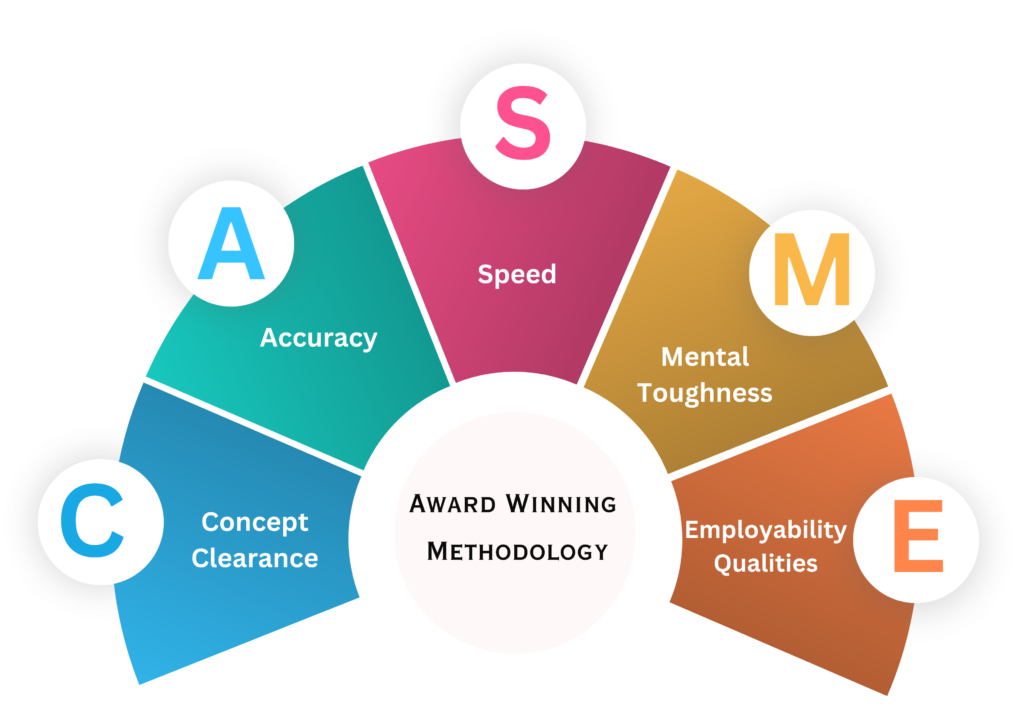
The CASME training methodology is tailored to help candidates prepare for competitive exams like the SBI Clerk and similar tests such as the IBPS PO and RBI Grade B. Our program focuses on making difficult subjects easier to understand, ensuring that participants can grasp key concepts effectively. We enhance speed and accuracy through regular practice and mock tests, while also building the confidence needed to handle exam pressure. Additionally, we provide detailed study materials and personalized feedback, helping each candidate reach their full potential and achieve their career goals in the banking sector.
Frequently Asked Questions
Yes, UPSC is still worth preparing for if you truly want a career in public service. Civil servants get respect, job security, and a chance to bring real change in society. The job is challenging but meaningful. However, UPSC preparation takes time and mental strength. There is no guarantee of success. That is why you should have a backup plan, like a job or another exam. Do not prepare just because of social pressure. Prepare only if you are ready for long-term effort. If you stay consistent and realistic, UPSC can be a life-changing opportunity.
Many candidates fail UPSC because of poor planning and lack of revision. Some students read too many books and get confused. Others ignore answer writing practice, which is very important for Mains. Another big reason is not analyzing previous year question papers. UPSC often repeats themes, not exact questions. Many candidates also lose motivation after one failure and quit early. Time management is another issue, especially for working professionals. Some people focus only on Prelims and neglect Mains preparation. UPSC needs balanced preparation for all stages. Emotional pressure and comparison with others also affect performance. Success in UPSC needs patience, discipline, and smart work, not just hard work.
A beginner should first understand the UPSC syllabus clearly. Do not start reading random books. Download the official syllabus and exam pattern from the UPSC website. Start with basic NCERT books from class 6 to 12. These books build your foundation and are easy to understand. At the same time, develop a habit of reading one newspaper daily, like The Hindu or Indian Express. Focus on important news, not every detail. Make short notes for revision. Choose your optional subject only after checking the syllabus and past year papers. Do not rush into coaching. Try self-study for a few months first. Consistency matters more than long study hours. Even 5–6 focused hours daily are enough in the beginning.
The UPSC Interview is the final stage. It is also called the Personality Test. It checks how you think, speak, and react, not just your knowledge. Questions are based on your Detailed Application Form (DAF), current affairs, and real-life situations. The board wants honest and balanced answers. You do not need to know everything. If you don’t know an answer, it is okay to say so politely. Confidence, clarity, and honesty are key. Mock interviews help reduce fear. The interview carries marks and can change your final rank.
Yes, it can be stressful. Long preparation, competition, and uncertainty create pressure. Proper sleep, exercise, and breaks help manage stress. Avoid negative people. Stay connected with family or friends. Mental health is very important.
The most important quality is consistency. Studying daily, revising regularly, and staying disciplined matters more than talent. UPSC rewards patience and persistence.